sustainable
van conversions
MASD Program Capstone
ABSTRACT
This research investigates the environmental and health implications of material selection within the "van
life" community, focusing on the hidden hazards of common construction materials. The study addresses a
central question: How can conversion builders effectively navigate sustainable choices regarding the
materials, products, and functions of their custom vans?
The study employed qualitative and quantitative approaches, including three interviews and seven surveys
with active community members. Findings indicate a significant interest in sustainability; however, adoption
is hindered by budgetary constraints and a lack of accessible information regarding material toxicity and
environmental impact. The research highlights a critical over-reliance on manufacturer labels, which
frequently lack transparency concerning sourcing and health exposure risks. Additionally, a gap in
consumer literacy regarding "greenwashing" practices and third-party certifications often leads builders to
inadvertently support non-sustainable manufacturing.
To address these barriers, this project proposes a design-led educational framework. By providing the van
life community with evidence-based, relatable material education, this initiative aims to foster sustainable
behavior change, clarify complex sourcing data, and empower builders to make confident, eco-conscious
decisions.

Material health
|
Behavior change
|
Source Responsibly
|
Optimization
|
End of Life
|
Affordability
|
Material health | Behavior change | Source Responsibly | Optimization | End of Life | Affordability |
Enabling Sustainable behavior
through Material Choices for campervan users
APPLICATIONS:
3 Pillars of Sustainability
UN Sustainability Goals
Systems Thinking
Life Cycle Analysis
Design for Sustainability Strategies
Design proposal
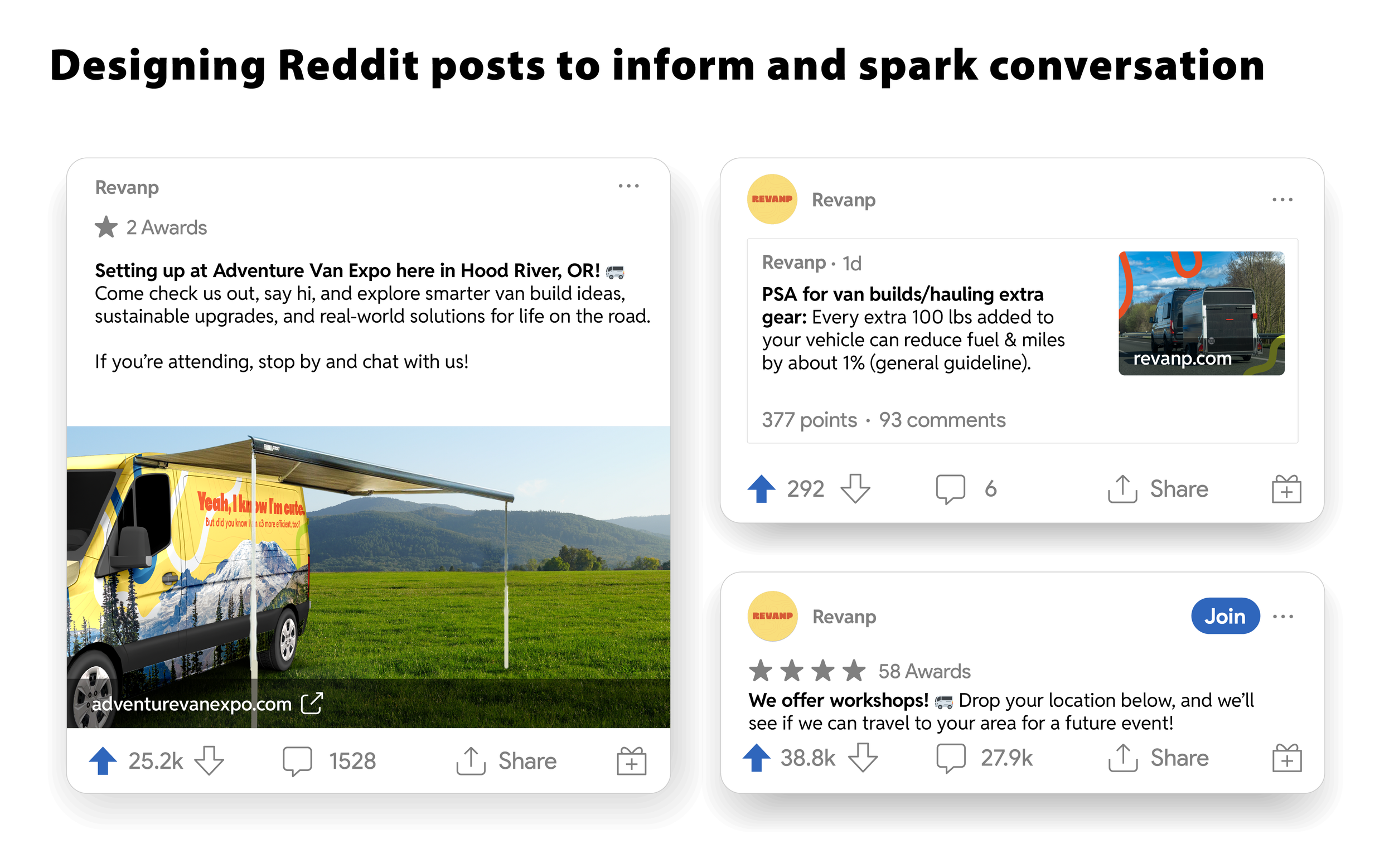
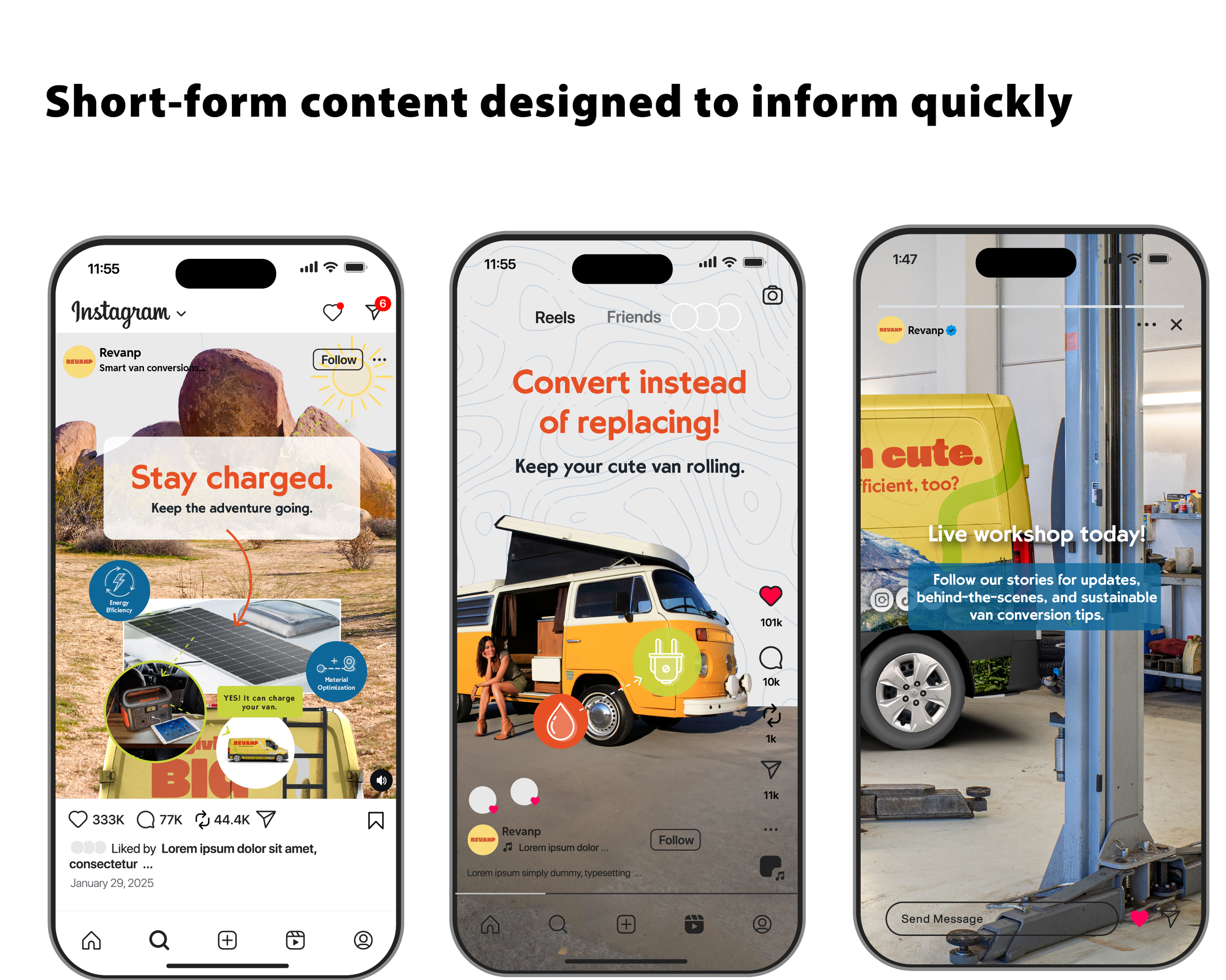
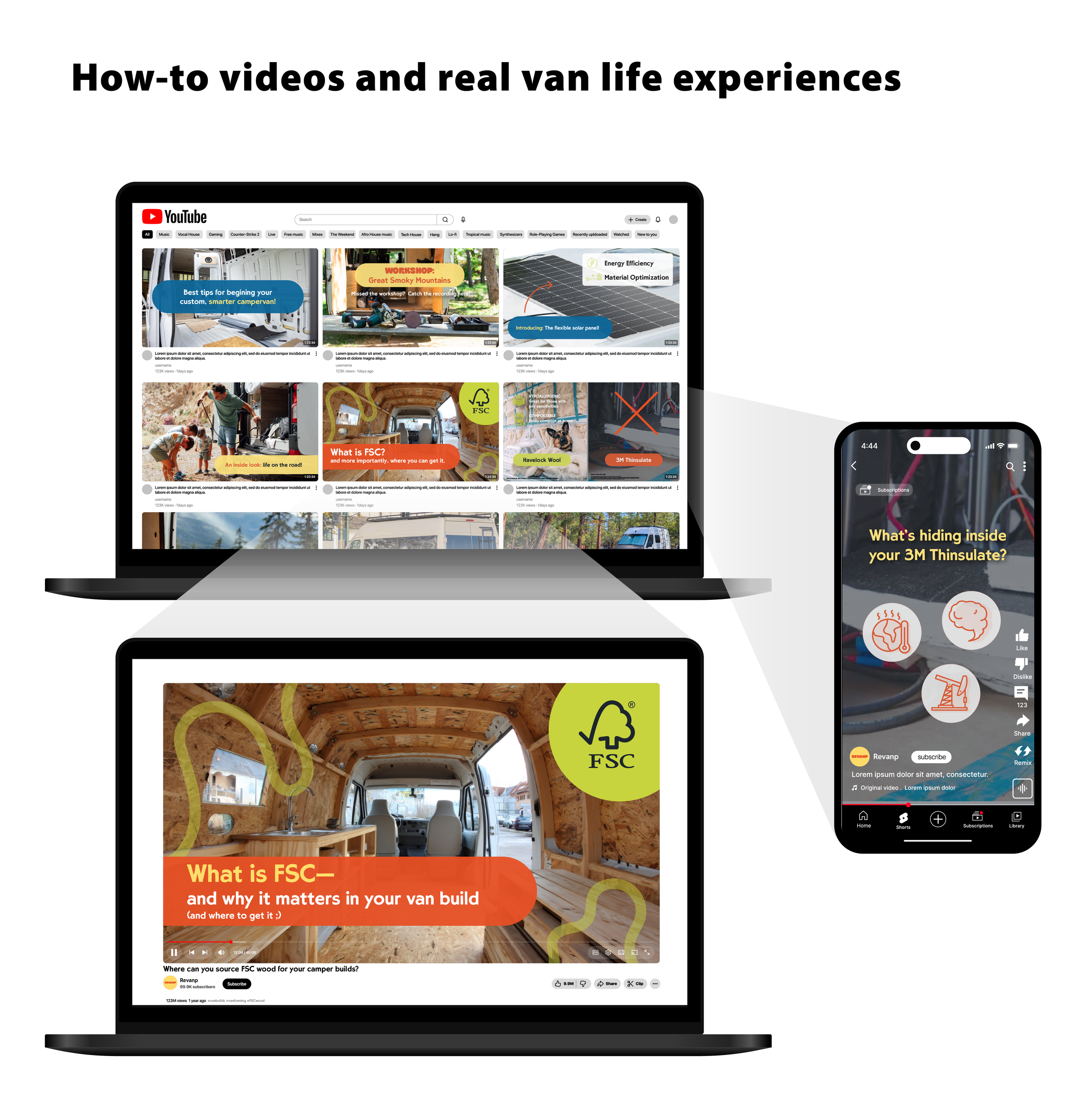
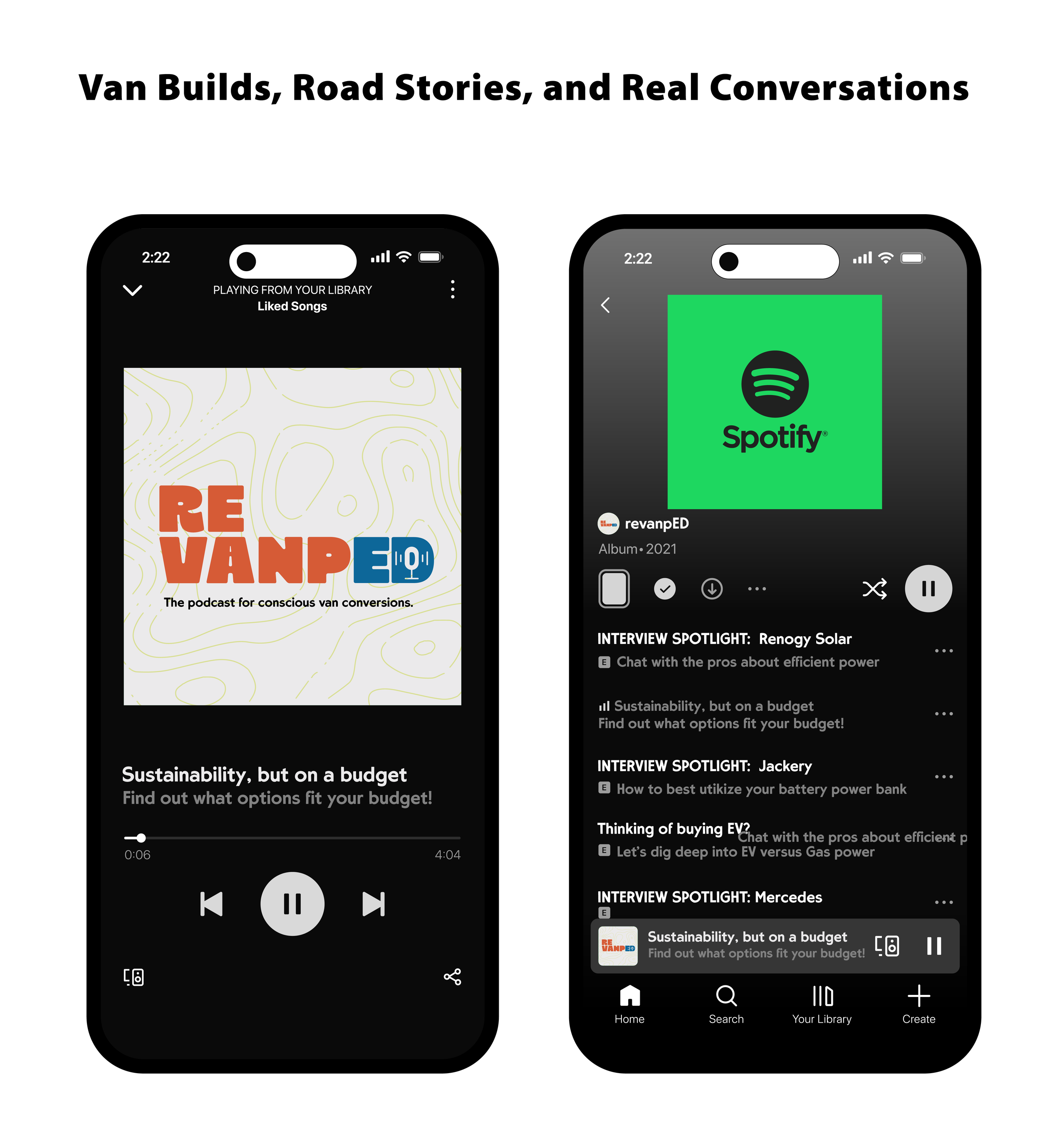
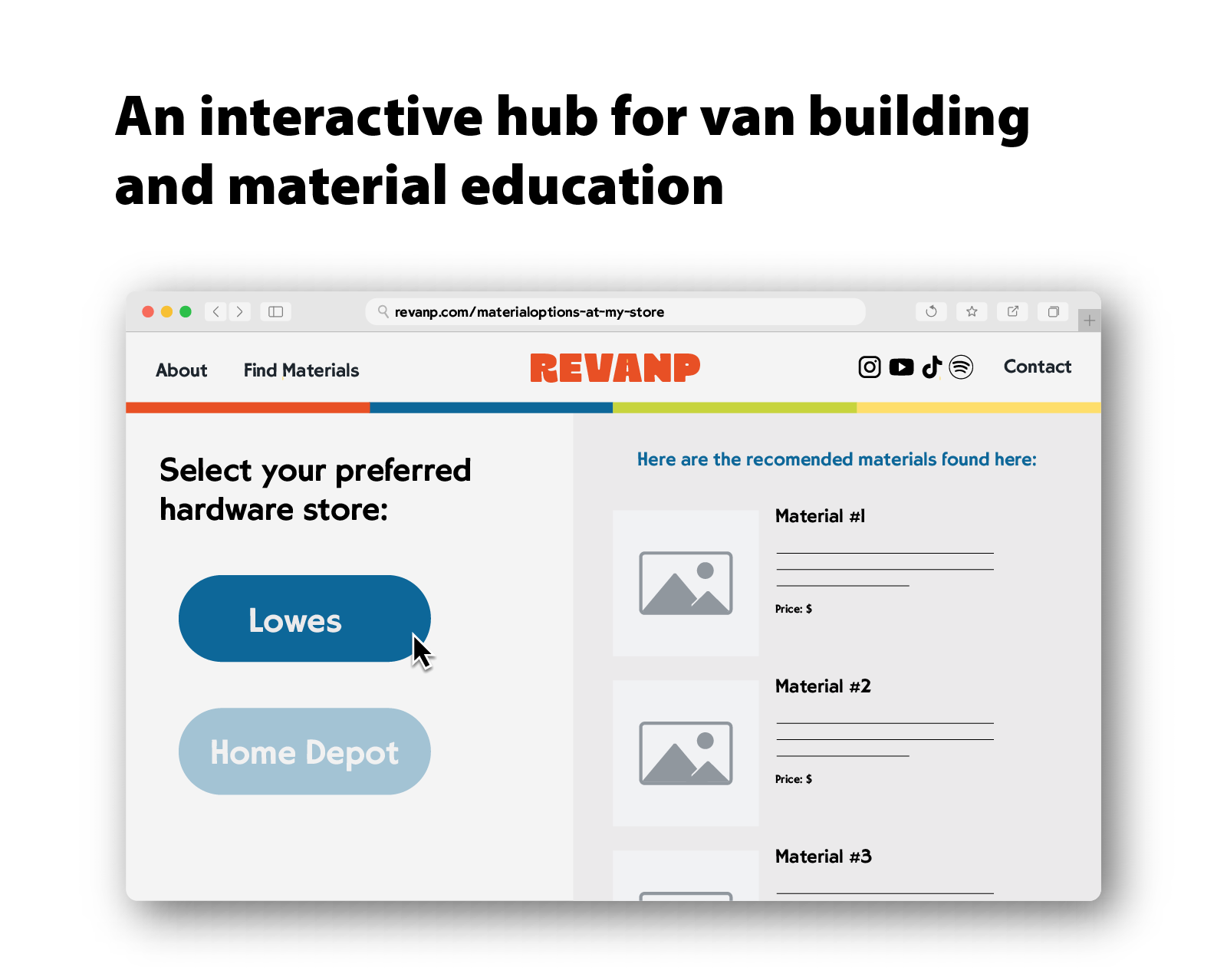
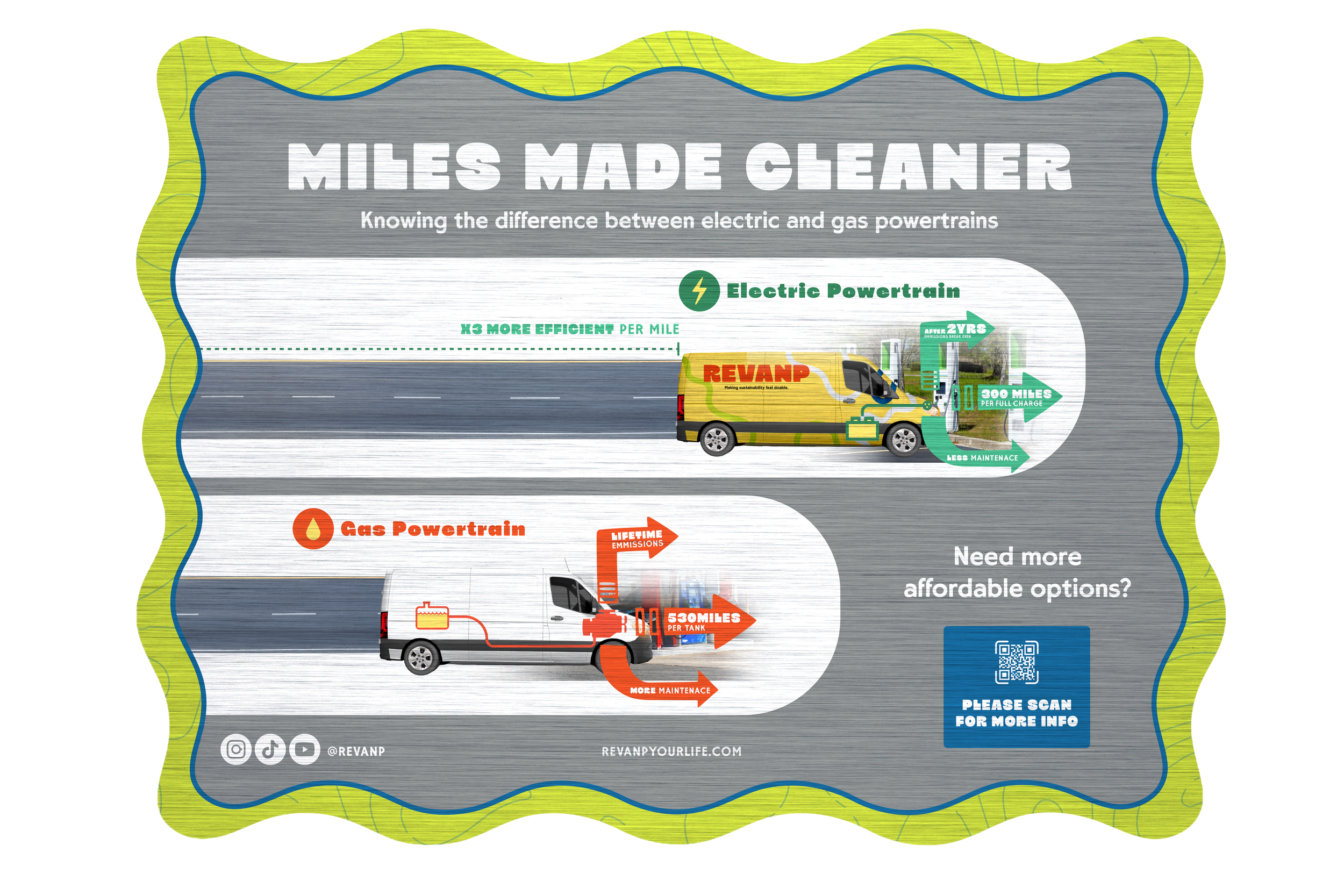
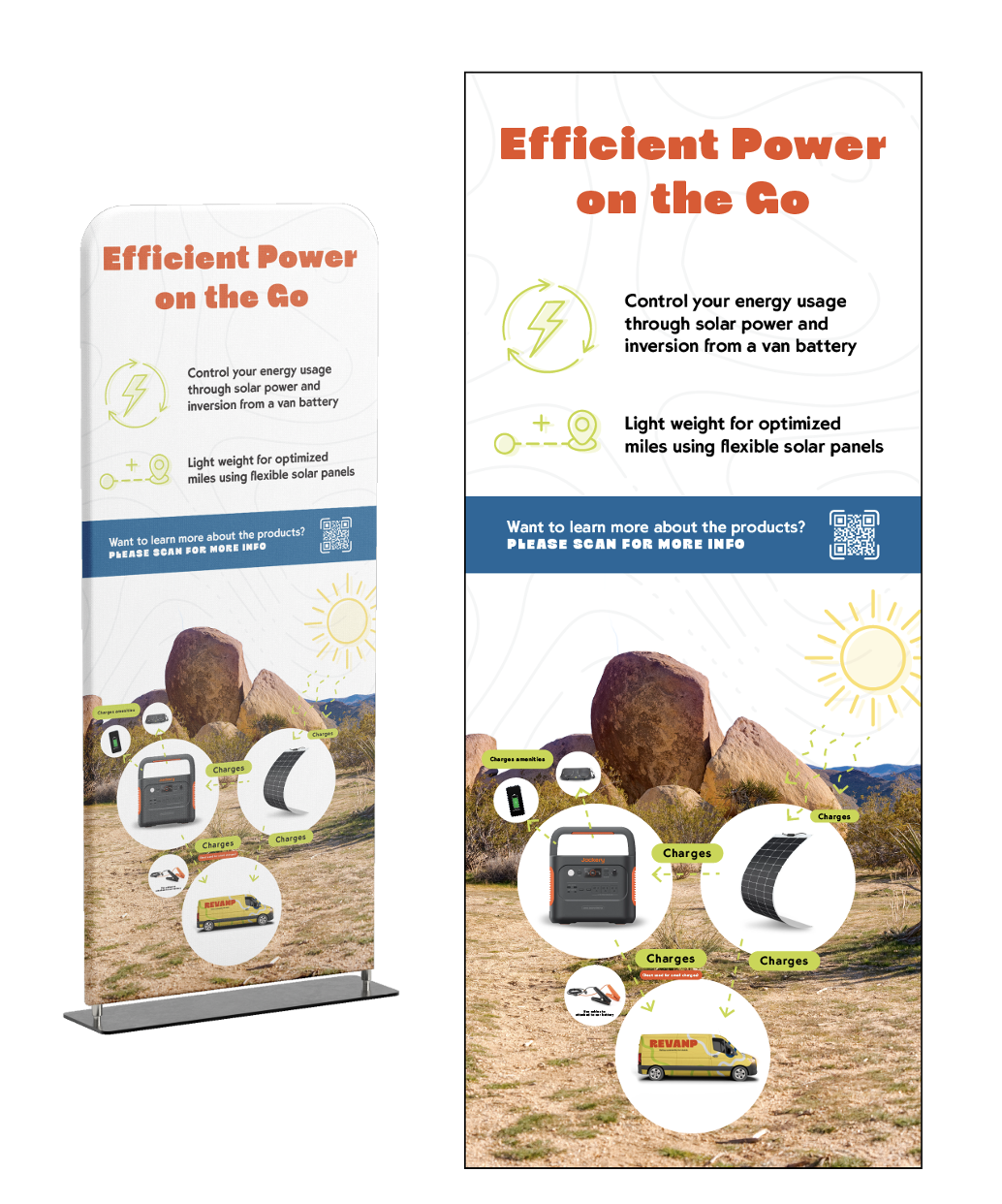
Creating a demonstration van with supporting components and campaign to provide easy, understandable access to material knowledge to enable smart decision making
THE VAN DEMO

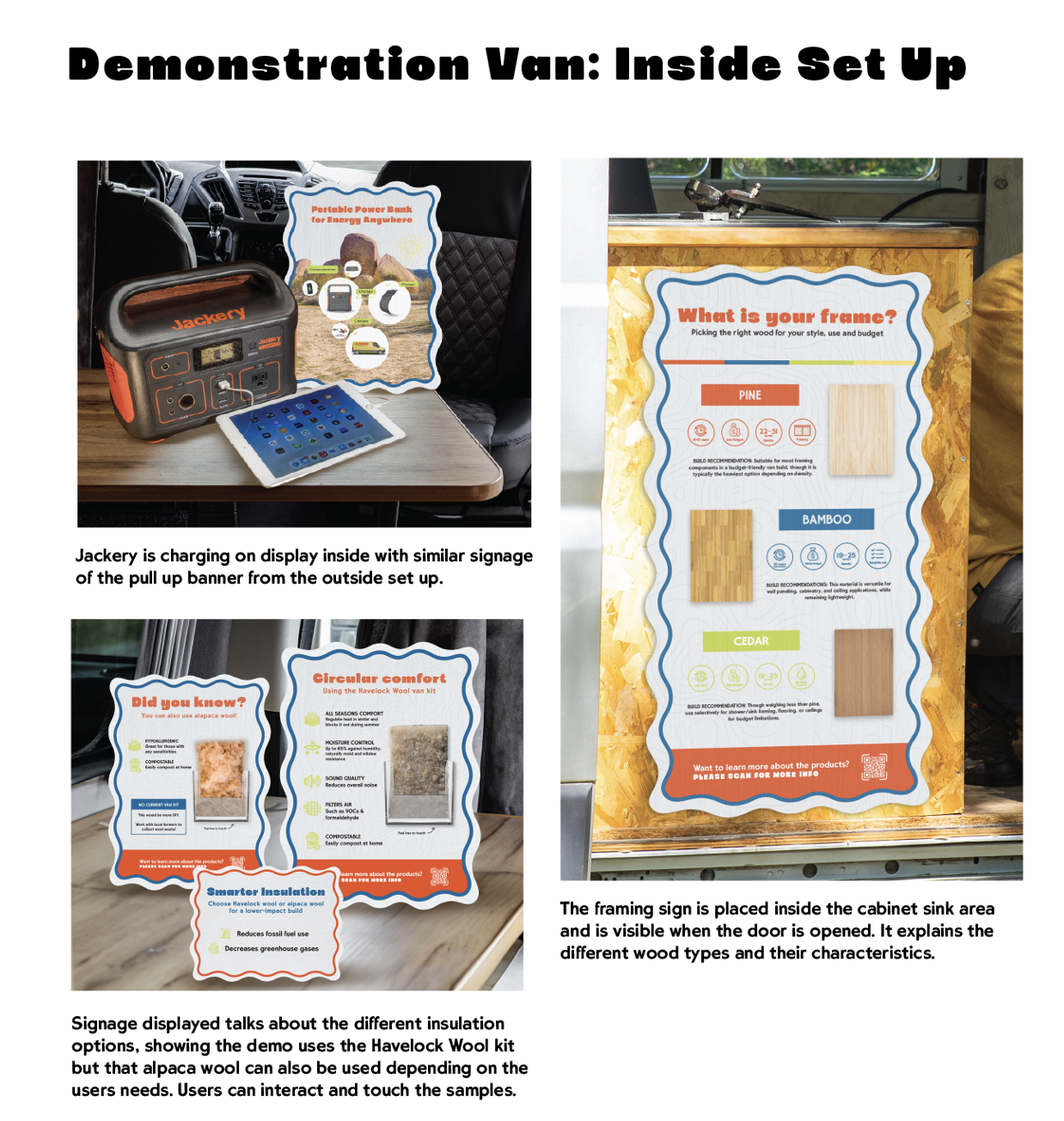
Signage
COMMUNICATION PLATFORMS